Indirect talks between the United States and Iran concluded with positive progress, according to officials from the mediating countries. Mediators from Qatar and Pakistan facilitated the discussions, which focused on the memorandum of understanding agreed upon earlier. Both sides confirmed their intent to continue negotiations. The meeting wrapped up on Thursday.
These talks followed a high‑level meeting held in Switzerland, setting the groundwork for the current negotiations. The next round of talks is expected to be scheduled at the earliest possible time. The approach aims to build on the agreements reached previously. The process underscores ongoing diplomatic engagement.
Iran is preparing for a multi‑day funeral procession for the late Supreme Leader, scheduled from July 4 to July 9 across Iran and Iraq. The procession follows the death of the leader on February 28, when an airstrike struck the capital. The event is a significant moment for the nation amid the broader conflict. It is expected to draw large crowds and heightened security measures.
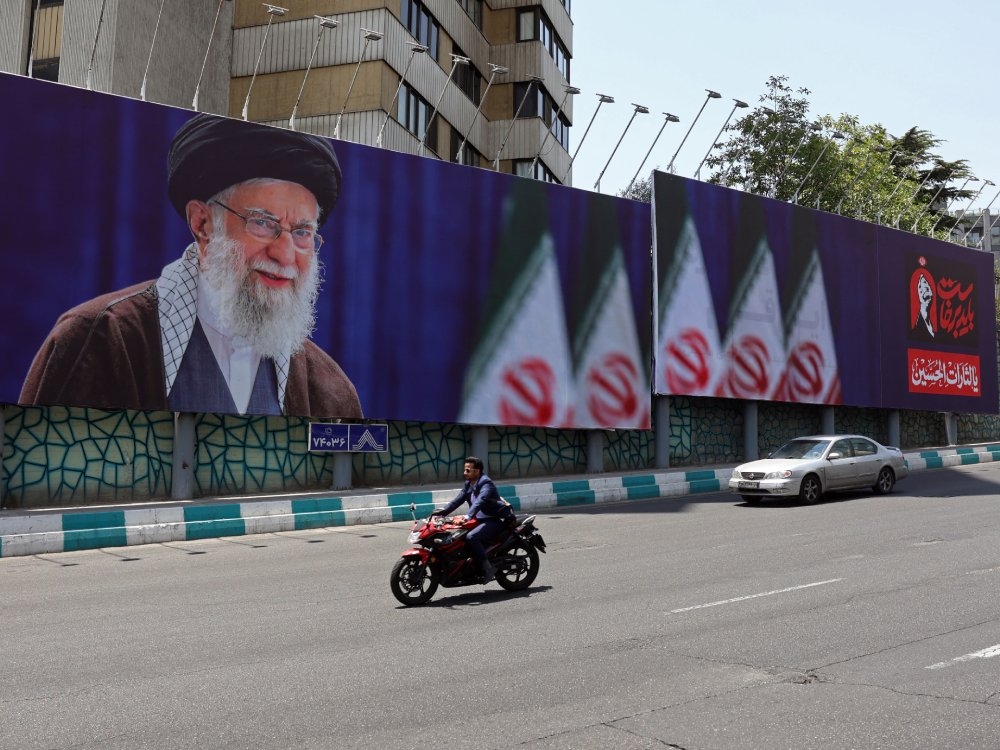
During the preparations, an Iranian military commander issued a warning to the United States and Israel. He stated that any attacks during the funeral would trigger harsh and regret‑inducing responses. The commander urged both sides to avoid miscalculation. The message reflects the tense security environment.
The statement also highlighted that the armed forces would respond decisively to any threat or aggression. It underscored the seriousness with which the situation is being treated. The warning serves as a deterrent for potential hostile actions. It signals readiness for immediate retaliation.
In addition to the funeral warnings, Iran has directed commercial vessels to use an Iranian‑designated maritime route through the Strait of Hormuz. Failure to comply could result in consequences for the vessels. The directive is part of broader measures to secure the waterway. It reflects concerns over foreign interference.
The military statement emphasized that any U.S. interference in the Strait would be met with a decisive and swift response. It reiterated the importance of maintaining control over the strategic passage. The stance highlights the country's determination to defend its sovereignty. It signals potential escalation if the issue is ignored.
The declaration described the Strait of Hormuz as a sovereign territory, not a playground for external actors. It reinforced the nation's claim over the waterway. The language indicates a firm stance against perceived aggression. The message is part of the broader geopolitical context.
These diplomatic and military developments illustrate the heightened tensions surrounding the ongoing conflict. Negotiations continue alongside warnings of retaliation. The situation remains volatile as both sides navigate complex security concerns. The international community watches closely as events unfold.