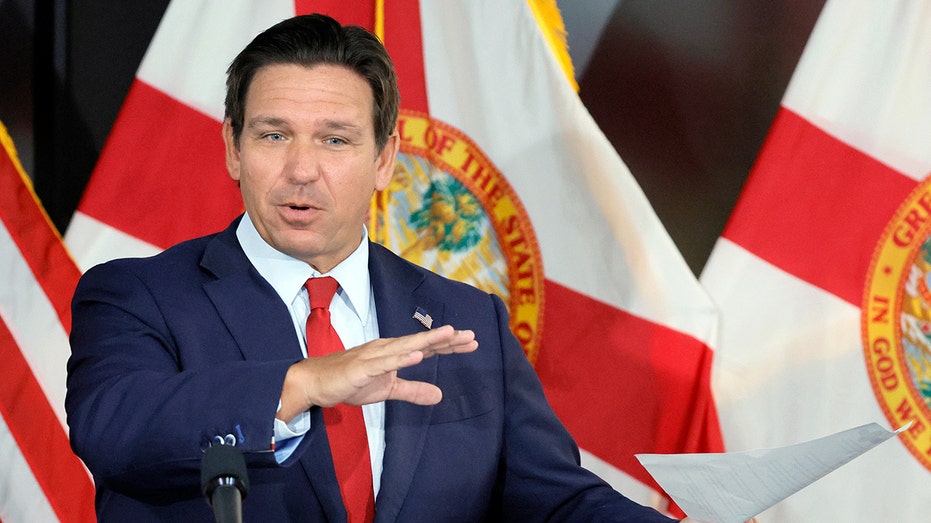
The state of Florida plans to designate dozens of groups as terrorist organizations under a new law, a move that has prompted legal objections from at least one of the groups.
Florida officials intend to use the newly signed HB 1471 to identify, designate, and combat terrorist organizations operating in the state. The law, which went into effect on Wednesday, establishes state enforcement mechanisms and criminal penalties for providing material support to designated terrorist organizations.
The governor plans to designate more than 90 groups as terrorist organizations, including the Council on American-Islamic Relations, the Muslim Brotherhood, and Antifa. However, the proposed designations must be approved by the governor and Cabinet before they are finalized under the statute.
Critics, including the Council on American-Islamic Relations, argue that the designations are politically motivated and threaten First Amendment-protected speech and association. The organization has condemned the move, stating that it does not engage in "terrorist activity" and has not been charged or convicted of a crime.
Under the law, the Chief of Domestic Security may designate qualifying organizations as domestic or foreign terrorist organizations, but the governor and Cabinet may approve or reject those designations by majority vote. If approved, the designations would operate under Florida law and would not be the same as a federal foreign terrorist organization designation.
The new law also restricts certain public benefits, funding, and institutional support connected to designated groups and creates criminal penalties for knowingly providing, attempting to provide, or conspiring to provide material support or resources to a designated domestic terrorist organization.
The state of Florida's move has sparked controversy, with critics arguing that the designations are an attempt to punish groups for their views and values. CAIR and civil liberties groups plan to challenge the designation in court, arguing that it is baseless and unconstitutional.